While working through a separation and divorce, my lawyer suggested I figure out a way to show the judge that I am trying to improve my own situation and provide a good life for my children by obtaining more training. I registered for the Provincial Instructor Diploma which would qualify me to teach my specialty at the college level.
Several other “mid-life” adults gathered in the assigned room at the local college (about a 4 hour drive from my home) waiting for the professor to arrive from Vancouver. Unfortunately he was stuck in a snow storm, and would be arriving the next morning. Not wanting to waste our valuable time away from family, that Friday evening several strangers became friends. We shared why we were there, what we wanted to take away from this course, then returned to our homes and hotel rooms to prepare for the next two days full of instruction and learning.
The professor did arrive Saturday morning and he proved to be well worth the wait! His detours into fascinating discoveries regarding research on the adult brain kept my attention for hours. In fact I wanted him to keep talking and forget about the small group work that seems to be the new way of conducting class activities.
He spoke about “amygdala hijack”. Although he talked about it in relation to young adults making poor decisions after drinking, I understand that it also is a result of stress. Another topic we learned about was retention of new concepts, skills and knowledge, and how to overcome the lack of retention that becomes worse and worse as we age. At the time of this course I was 39 years old. The professor appeared quite old to me. He was probably around the age I am now, but then that was old! But, if anyone could teach about lack of retention because of old age, I was convinced that he could!
Even with all the detours into other areas of study and research, we managed to cover all the course material over the two very packed weekends of classes. About 10 years ago my father and I travelled to Italy where we met up with my daughter who had just graduated from a university in Germany. Her grad gift was to travel with us while we explored Tuscany. We stayed in a lovely villa and did some touring every day. My future son-in-law let me borrow his GPS for our trip, to keep us from getting lost. He is originally from the Czech Republic so naturally his GPS was Czech. We managed to program it to speak to us in English with an Australian accent. “Jack” was his name, and Jack had decided to take us on long, long scenic detours, up hills on roads that weren’t really roads. They were more like pathways that seemed to go straight uphill. What should have been a 20 minute drive often ended up taking 2 hours or more. Often Jack would tell us to “turn left here” on a one-street heading the opposite direction. He was continually saying “recalculating”, mostly because I chickened out and took too long to turn as he suggested.
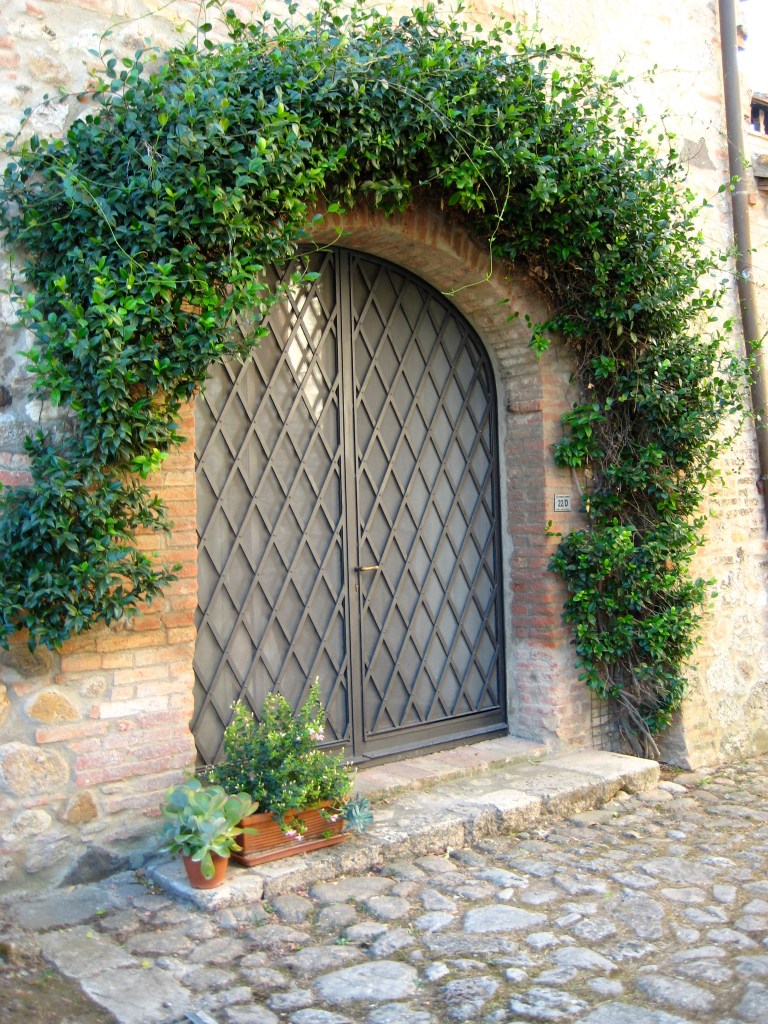
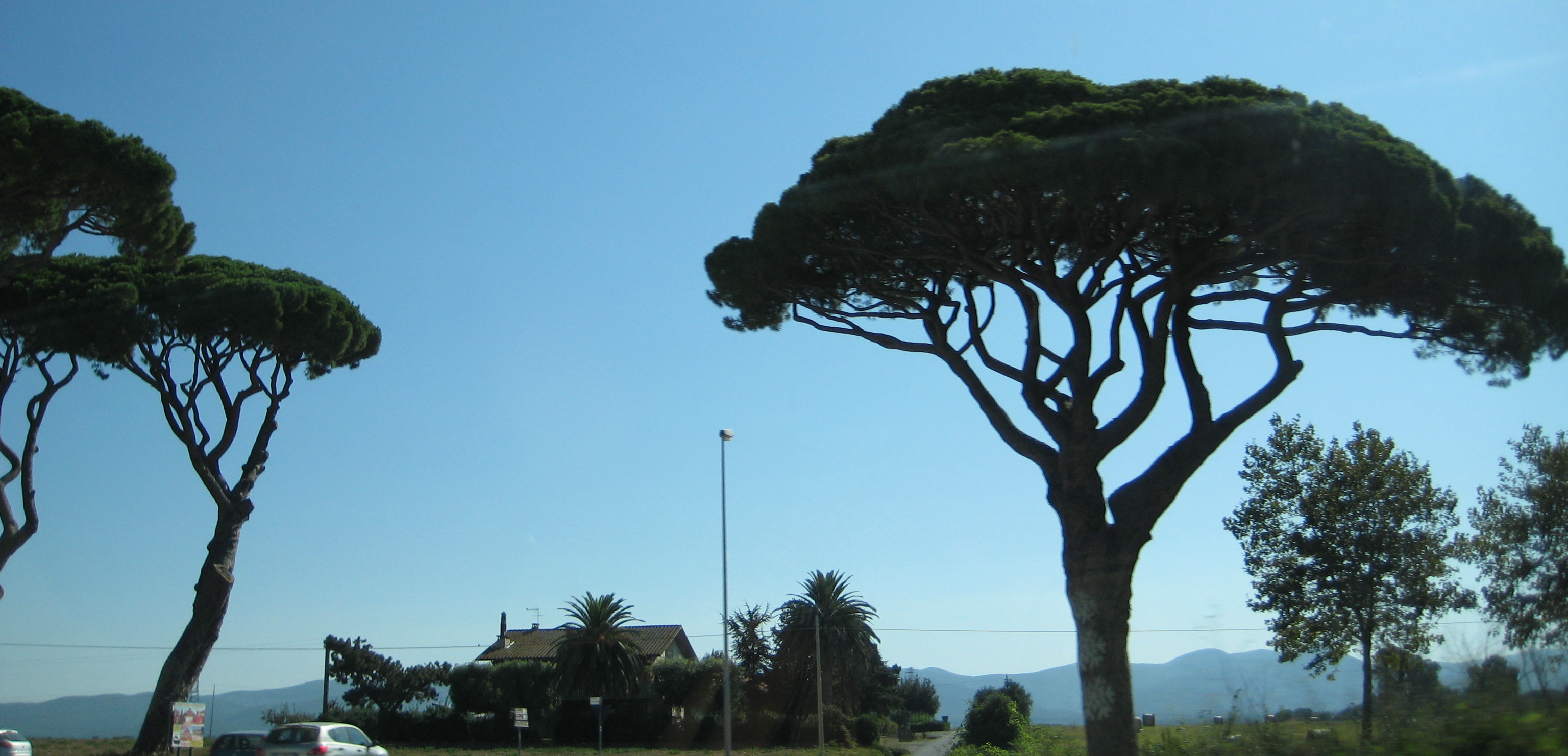
The trip was scary at times, but we did see much unexpected scenery. My father is very patient and good-natured, and we enjoyed many laughs. In fact we still chuckle about the adventures that Jack had in store for us. We found wineries and olive oil plantations that were not tourist traps. In fact, tourists were so rare in these out-of-the-way places that staff didn’t speak English. One restaurant we stopped at for lunch in a very small village had their sign in English, so we were hopeful. But when got inside, not only did all the costumers stop talking to watch us find a table (small town — unfamiliar guests!) but we quickly realized that the owner/manager/server did not speak a word of English. He shouted something out to all the other costumers and one gentleman came over to help translate. My daughter who is fluent in German was able to communicate with this gentleman and we ordered successfully, and enjoyed one of the best meals of the trip!
I enjoy detours, both in life and in learning. Several of my piano students over the years have been young, curious boys, and on the autism spectrum. They come in with questions, often related only vaguely to what we are learning, yet I have allowed us to explore those questions, gradually leading back to what is on the page in front of them. I know this requires patience, and forces me to relax more short-term goals and expectations for each particular student, but it keeps them coming back and eagerly looking forward to their own scenic detours.
Whether it is an errant GPS named Jack, or a teaching style that allows for scenic detours, going off the beaten path leads to many new discoveries. This is one way to learn about letting go and experiencing far more than originally intended.
 Reflections